Updated Date: Feb 6, 2026
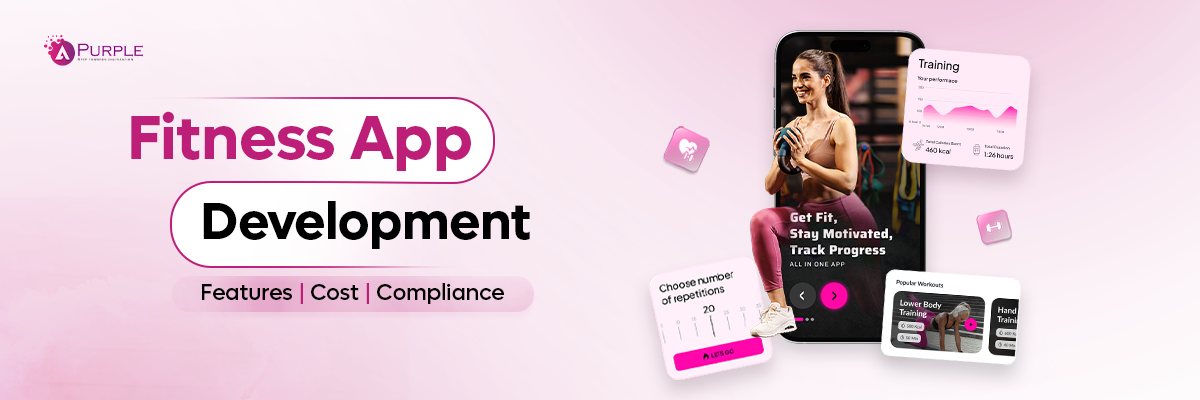
Planning to build a fitness app but not sure about where to start?
For founders, the real challenge isn’t development; it’s deciding what to build first. Early feature decisions directly impact cost, timelines, and long-term user retention.
Over the past few years, fitness apps have moved far beyond basic workout tracking. They no longer focus only on steps, calories, heart rate, or weight goals. Today, many apps act as full health platforms. Fitness app development is now incomplete without smart nutrition planning, AI-powered mental wellness, gamified workouts, and camera-based fitness coaching.
With so many features evolving at once, confusion feels natural. Feature expectations rise fast, and user patience drops fast. Building everything at once leads to bloated apps, high costs, and weak retention.
Fitness app development now demands clarity. You need to decide what problem you solve first. You need clean data flows, reliable tracking, and a product that users open daily.
A focused approach helps you validate faster, control costs, and build trust before scaling. This structure closes the loop. We create a complete guide for you that will help you with cost, development, and revenue systems.
What is Fitness App Development?
Fitness app development means building mobile or web apps that can track health goals. A platform to track workouts, nutrition, steps, and heart rate in one place. AI personalizes plans using your data. Wearables sync live activity for accurate tracking. Social features push consistency and accountability. Wellness shifts into a simple digital experience.
However, you can validate your healthcare business idea at a lower cost by just building an MVP. But there are multiple types of fitness app development, which you need to look into to understand the type of idea you had.
What Are The Types of Fitness Apps?
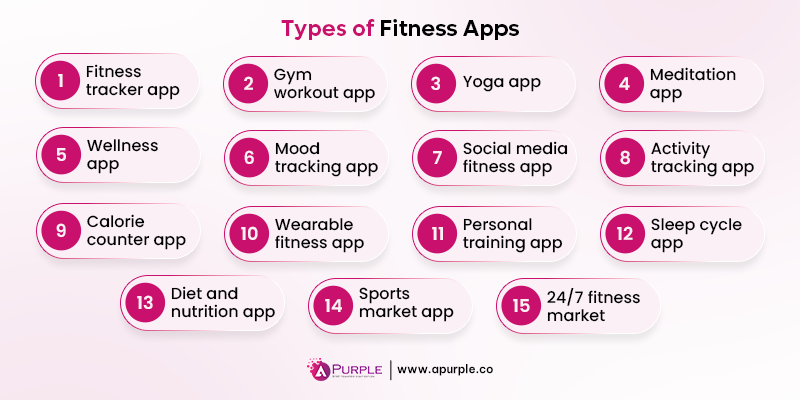
Fitness app development covers multiple use cases. Some users want workout guidance. Others focus on nutrition tracking or stress management. Your app category determines your audience. Choosing the right model helps you attract the right users and grow faster.
Here are the main categories you should know about before investing in a fitness app:
| Fitness tracker app |
This category tracks steps, distance, heart rate, and activity data. Fitness tracker app development works best with real-time insights and goal summaries. Data accuracy drives retention. Best apps |
| Gym workout app |
Gym apps guide users through strength training and routines. Features include exercise libraries, progress logs, and rest timers. Clear visuals improve daily engagement. Best apps |
| Yoga app |
Yoga fitness app development focuses on guided sessions and breathing routines. Apps often include level based programs and daily reminders. Calm design matters here. Best apps |
| Meditation app |
Meditation apps support mental focus and stress control. Short sessions and streak tracking keep users active. Audio quality plays a key role. Best apps |
| Wellness app |
Wellness app covers sleep, stress, habits, and lifestyle health. Unified dashboards in wellness app development help users track their daily balance. This model fits long-term engagement. Best apps |
| Mood tracking app |
Mood apps let users log emotions and triggers. Simple inputs and visual charts work best. Privacy builds trust. Best apps |
| Social media fitness app |
Social fitness apps focus on sharing progress and challenges. Community features drive motivation. Gamification increases daily use. Best apps |
| Activity tracking app |
These apps track walking, running, and daily movement. Clear stats help users stay active. Battery efficiency matters. Best apps |
| Calorie counter app |
Calorie apps help users log food and control intake. Barcode scanning speeds up usage. Nutrition data must stay accurate. Best apps |
| Wearable fitness app |
Wearable apps sync with smart devices and sensors. Real-time feedback keeps users engaged. Hardware support defines success. Best apps |
| Sports marketplace app |
Sports marketplaces connect players, coaches, and venues. Scheduling and payments stay central. This model fits niche sports well. Best apps |
| Sleep cycle app |
Sleep apps analyze sleep patterns and alarms. Insights help users improve rest quality. Wearable sync adds value Best apps |
| Online 24-hour fitness marketplace |
This model connects users with trainers, gyms, and classes at any time. Booking and payments stay central. Location filters improve discovery. Best apps |
| Personal training app |
These apps connect users with trainers and custom plans. Core features include video sessions, progress reviews, and chat support. Monetization comes from subscriptions. Best apps |
| Diet and nutrition app |
This app type helps users plan meals, track calories, and follow diet goals. Strong apps focus on habit tracking and food insights. Many founders choose to build a meal planning app for weight loss as a core feature. Best apps |
Each category supports different business goals. Fitness app development works best when features match user intent from day one.
What are the Must-Have Features of a Fitness App?
Your fitness app development strategy starts with deciding which tier you build for. Basic features get users onboarding and tracking daily activity. Advanced features separate your product from the hundreds of lookalike apps in the store.
Must-Have Features for your Fitness App
| Basic Features | What it Does |
|---|---|
| Account Creation & Onboarding | Users sign up, set fitness goals, and input health data. The system builds a baseline profile for personalized plans. |
| Structured Training Programs | Pre-built workout routines organized by goal, duration, and difficulty. Users follow guided plans without custom input. |
| Video Exercise Library | Step-by-step movement tutorials with proper form cues. Users learn techniques before attempting exercises solo. |
| Activity & Metric Logging | Track reps, sets, weight lifted, cardio time, and rest days. Users see trends over weeks and months. |
| Meal & Macro Logging | Log food intake and monitor protein, carbs, and fats. Users stay aligned with calorie and nutrient targets. |
| Wearable Device Sync | Pull heart rate, steps, and sleep data from Fitbit, Garmin, or Apple Watch. Fitness mobile app development relies on this integration for accuracy |
| Scheduled Reminders | Send alerts for workouts, water intake, or rest days. Users build consistency through timed prompts. |
| Daily Calorie Dashboard | Display calories consumed versus burned. Users adjust intake based on activity levels and goals. |
Advanced Features for your Fitness App
| Advanced Features | What it Does |
|---|---|
| AI-powered Recommendations | AI fitness app development uses behavior and performance data to adjust intensity, volume, and rest periods. The system evolves with user progress. |
| Immersive Training | Environments AR overlays or VR headsets place users in virtual gyms or outdoor trails. Workouts feel less repetitive and more engaging. |
| Smart Equipment Connections | Sync with Peloton bikes, Tonal machines, or connected dumbbells. Data flows automatically without manual entry. |
| Health Outcome Forecasting | Machine learning models predict injury risk, plateau timing, or recovery needs. Users adjust routines before problems arise. |
| Blockchain Payment & Rewards | Accept crypto for subscriptions or reward users with tokens for hitting milestones. Fitness app development companies add this for Web3 audiences. |
| Virtual Reality Coaching | Sessions Trainers guide users through workouts in 3D spaces. The experience mimics in-person training with spatial feedback. |
| Live Video Training Calls | Book one-on-one sessions with certified coaches. Users get form checks and plan adjustments in real time. |
| Location-Based Challenges | Track running routes, cycling paths, or outdoor workouts using GPS. Users compete on local leaderboards or explore new areas. |
| Direct Trainer Messaging | Text or voice chat with fitness professionals inside the app. Users ask questions between sessions without switching platforms. |
Healthcare application development elevates basic trackers to enterprise-grade platforms. When you need HIPAA compliance, EHR integration, and clinical-grade data flows, your fitness app development shifts into the medical space. Asian healthcare app development delivers HIPAA-ready features at 60% lower cost. Your budget goes further while meeting USA and EU privacy standards.
How Do You Build a Fitness App from Scratch?
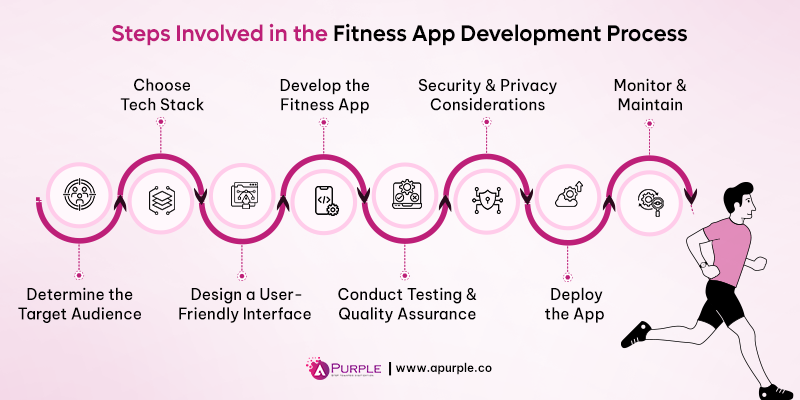
Fitness app development follows a staged process. You build small, test fast, and grow based on what works. Spending big before testing wastes your money on features users never touch. Apps fail when founders add everything upfront instead of checking if people want the product.
Step 1: Determine the Target Audience and App Purpose
The foundation of any successful app lies in a clear understanding of who you’re building it for and what problem it solves. At this stage, fitness app developers work closely with you. This is the stage where you:
- Identify your target audience to know who you are catering to. For example, fitness enthusiasts, beginners seeking guidance, a niche group like athletes, or seniors, etc.
- Determine your app’s purpose to decide what features it will have.
- Differentiate your app to stand out from the competition. Offer a unique value proposition.
Solidify these aspects. This will lay the groundwork for fitness mobile app development.
Step 2: Prepare the Blueprint for Fitness App Development
According to the plan, design a blueprint that combines workflow and features. This roadmap covers complete resources and the tech stack. Fitness app developers leverage a variety of tools and frameworks for fitness app development. Here are a few considerations you can make:
- Native Apps (Swift/Java) – Best performance, longest development time.
- Cross-Platform (React Native) – Faster development for iOS & Android.
- Progressive Web App (PWA) – Quick solution, limited functionality.
- No-Code Builders – Avoid unless your app is extremely basic.
Step 3: Designing a User-Friendly Interface for your Fitness App
In today’s app-saturated market, a user-friendly interface (UI) is no longer a bonus – it’s a necessity. You have to provide your users with a smooth and soothing app experience. Otherwise, you’ll lose the high competition.
Healthcare app design presents a distinct set of challenges compared to other apps. Here is what you can do about it while going through your fitness app development:
- Practice simplicity. Ensure that the layout is clean and uncluttered.
- The navigation must be easy to understand and allow people to move smoothly.
- When designing a fitness app, aim for a visually appealing layout. Make sure your fitness app development company holds the required experience in UX and UI.
- Try providing accessibility features such as adjustable size, colour, and contrast.
And, at last, have a responsive mobile app design
Step 4: Develop the Fitness App
The fitness app development process involves building the app’s logic, code, and architecture. You can make a minimum viable product (MVP) and schedule tests to get instant feedback. Start with the basic features like adding signup, one workout style, and simple tracking. See if users finish their first workout and come back tomorrow. MVP development service lowers your risk by 80% because you prove your idea works in 8 weeks. You find out what users want without wasting months building features they skip.
Step 5: Conduct Testing and Quality Assurance
Testing and quality assurance are critical stages in fitness app development, ensuring your product runs smoothly across all devices and platforms. This process involves checking functionality, usability, performance, and security to eliminate bugs before launch. In native app development, testing is done separately for iOS and Android, while cross-platform apps require consistency checks across devices.
In healthcare app development, QA is even more important for safeguarding sensitive data and ensuring compliance with standards. You can ensure your app is reliable, secure, and ready for users through performance tests and security audits.
Step 6: Security and Privacy Considerations in Fitness App Development
Fitness apps collect users’ sensitive data, including health metrics, workout routines, and location information.
An app named MyFitnessPal faced a security issue in 2018, where the sensitive data of users was leaked. Trust and security are big factors in any brand’s success. To ensure that your fitness app development is safe and secure, here are a few things that you can follow:
- Secure data storage over secure servers
- Secure login protocols
- Compliance with Data Privacy Regulations such as GDPR, CCPA, etc.
Always hire an expert fitness app development company that understands the security measures to take during health and fitness app development.
Step 7: Deploy your Fitness App
Once your fitness app development is complete and tested, you need to deploy it. Submit the app to the App Store or Google Play, following their specific guidelines to avoid delays or rejections.
After this, you need to promote your app on various platforms such as social media, tie up with influencers, or do affiliate marketing.
This ensures your app not only goes live but also gains the attention it deserves from day one.
Step 8: Monitor and Maintain the App
Once your fitness app is ready, compliant with all requirements, and launched, monitor its performance. To ensure your app is in the competition
- Keep monitoring the performance metrics
- Use app data and feedback to carve out further strategies
- Keep removing new bugs and issues
- Keep incorporating the latest security measures
How Much Does It Cost to Build a Fitness App?
Building a fitness app costs between 10,000 USD and 150,000+ USD. The price changes based on what features you add and where your developers work. These cost factors are quite similar to those that influence healthcare application development costs, where complexity, integrations, and compliance also play critical roles.
Here’s a general range to provide a starting point:
| App Type | Development Cost |
|---|---|
| Basic Fitness App (limited features) | USD 10,000 – USD 20,000+ |
| Feature-Rich App | USD 20,000 – USD 40,000+ |
| Highly Complex App (advanced features) | USD 50,000+ |
Start with an MVP to spend less and see if users want your app. Full apps with advanced tools cost more and take longer to finish. Offshore development cuts costs in half without losing quality.
| Location | Development Cost | Timeline |
|---|---|---|
| Asia | USD 10,000 – USD 50,000 | 3 to 4 months |
| EU | USD 20,000 – USD 130,000 | 4 to 6 months |
| USA | USD 25,000 – USD 150,000 | 3 to 6 months |
The gap between Asia and US pricing exists because developer charges differ by region. Both deliver professional work when you pick the right fitness app development company. If you hire offshore teams with expert developers, your budget reduces by 50% while meeting compliance and security standards.
How Do Fitness Apps Make Money?
Pick your revenue model before you build. Each model changes how you design retention and what users expect from your app.
| Revenue Model | Purpose | Best For |
|---|---|---|
| Subscriptions Model | Subscriptions bring in 75% of all fitness app earnings. You get predictable income and higher user value. A solid subscriber base raises your app’s worth and makes it easier to grow. |
|
| Freemium Model | Free access increases downloads. Users share the app faster when there’s no upfront cost. A larger user base gives you more data to improve features and understand what makes people upgrade. |
|
| In-App Purchases Model | Users buy what they need. Sell workout packs, meal plans, or coaching calls. Revenue grows with usage. You can introduce new products anytime and earn from users who would never subscribe. |
|
What are the Top Fitness Apps?
The top fitness apps win by owning something competitors struggle to match. Peloton ties users to expensive hardware. Strava builds a social network around activity tracking. MyFitnessPal dominates food logging. Each app picked a core strength and defended it. Study what keeps their users locked in before you build your own.
| App Name | Details |
|---|---|
| Strava |
|
| My Fitness Pal |
|
| Fitbit |
|
| Nike Training Club |
|
| Peloton App |
|
What Laws Must Fitness Apps Follow?
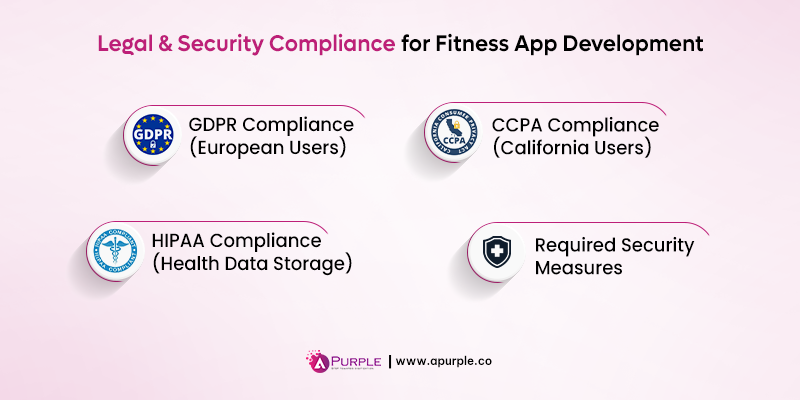
Building a fitness app means protecting user data by law. Mess up, and you pay heavy fines. Rules change based on where your users live. Add security when you start coding, not after you launch.
GDPR Compliance (General Data Protection Regulation)
Apps with European users must follow GDPR compliance. Ask permission before you collect any user data. Let users download or remove their personal info whenever they want. Keep data on European servers or use approved transfer methods.
CCPA Compliance (California Consumer Privacy Act)
CCPA compliance requires California users to explain what data they collect and who gets it. Users must be able to see your privacy policy clearly. Give them a way to stop you from selling their information.
HIPAA Compliance (Health Insurance Portability and Accountability Act)
Store medical records, diagnoses, or prescriptions, and HIPAA rules come in. Encrypt health data when you send it and when you store it. Sign agreements with any outside services you use and control which team members see protected health details.
Required Security Measures
Add fingerprint or face login to your app. Encrypt every connection between your app and your servers. Never store passwords as plain text. Test your security regularly to catch weak spots.
Common Problems and How to Fix Them While Developing a Fitness App
Building a fitness app means solving three core challenges. Ignore them and your app joins the 90% that fail in year one. Address them early and you build something users stick with long term.
-
Low Retention Rate (70% of Users Quit After 90 Days)
Most fitness apps lose users fast. The average app sees 70 out of 100 people drop off within three months.
Solution: Add game-like rewards for workout streaks, completed challenges, and personal records. Use AI to adjust difficulty based on what each user finishes or skips. People stay when the app feels personal and celebrates their progress. Generic workout plans bore users within weeks.
-
Tech Debt (Messy Code Slows You Down)
Adding messy codes slow down the app, and so many features may reduce user engagement.
Solution: Build your app in separate modules from the start. Keep workout logic separate from user profiles, payment systems, and tracking features. When you need to fix or upgrade one part, you touch only that section without breaking others. Bad structure makes small changes take weeks instead of days. You waste budget rewriting code you should have organized the first time.
-
Scaling (Your App Slows When Users Grow)
If the app is not robust enough, it may crash under heavy user load.
Solution: Create an app with a serverless backend. Your infrastructure grows automatically when traffic spikes. You pay only for what you use instead of running expensive servers around the clock. Apps built on fixed servers crash during sudden growth and permanently lose new users.
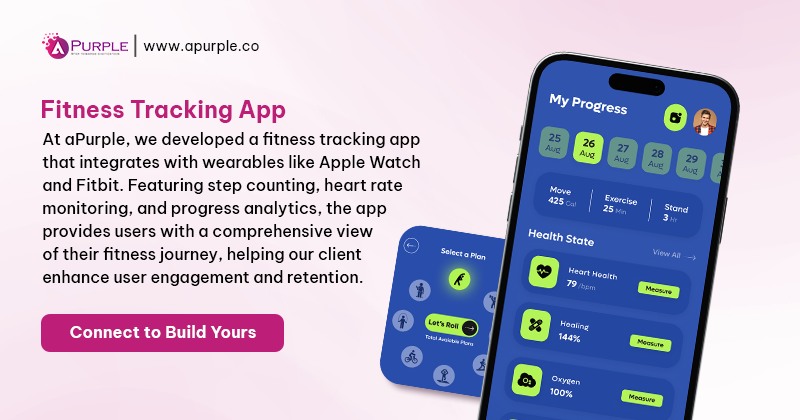
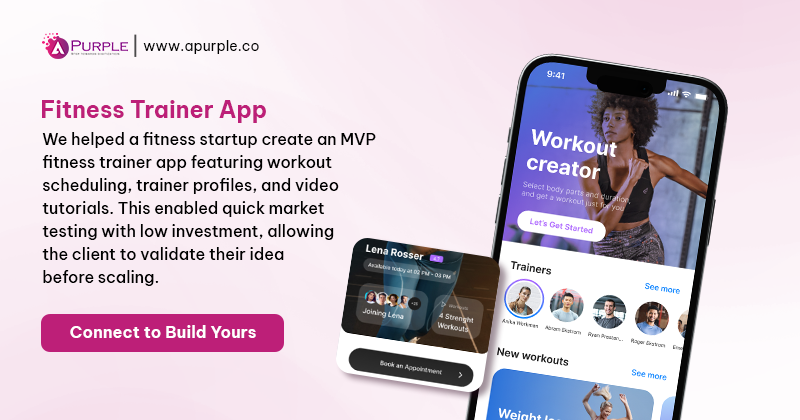
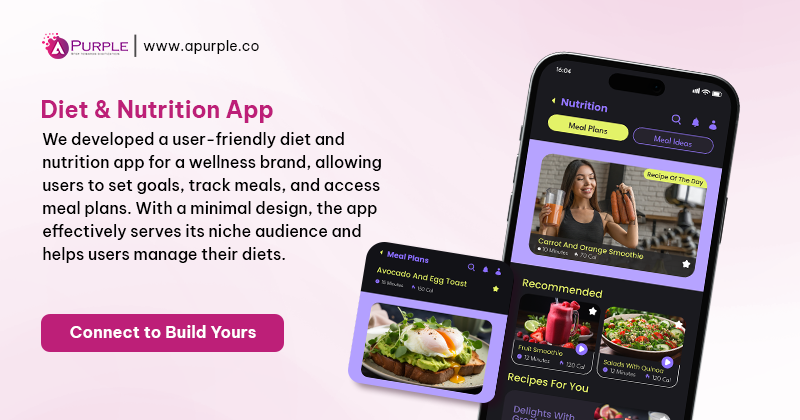
Top Fitness App Developed by aPurple
Learning from successful apps helps you avoid common mistakes. These three categories show different paths to retention and revenue. Each solved a specific user problem instead of trying to do everything at once.
Why Choose aPurple for Your Fitness App?
Developing a fitness app is not as easy as it sounds. You need to deal with low retention, strict healthcare compliance, and data privacy.
One wrong decision can cost you time, money, and brand reputation. That’s where you need an experienced partner with expertise in profitable app ideas and experience managing many fitness projects.
With 10+ years of experience and 100+ apps delivered with perfection, aPurple, an experienced fitness app development company, can be your ideal partner. Here’s what you get by partnering with aPurple:
- Lean and clean MVP to launch and validate your product faster in the market
- Startup-focused development cost and timeline for clarity and transparency
- A dedicated team of experts, including a project manager
- Compliant-aware product without overengineering
- Feature prioritization that saves you from burning your cash
Are you ready to turn your idea into a secure, scalable, and compliant medicine delivery app? Talk to our experts to get a clear roadmap for building a winning product.
Frequently Asked Questions